Powell River Top General Contractor for Residential Construction
General Contractor: Your Preferred Specialist for Residential Projects
A general contractor performs an important role in residential undertakings. They supervise multiple components of building, ensuring that work advances without issues. Their proficiency in construction standards and requirements allows them to navigate the complexities of permits and inspections. This expert functions as an essential connection between homeowners and subcontractors. However, many homeowners remain uncertain about the entire scope of their work offerings. Learning about these particulars can greatly affect the achievement of any renovation project.
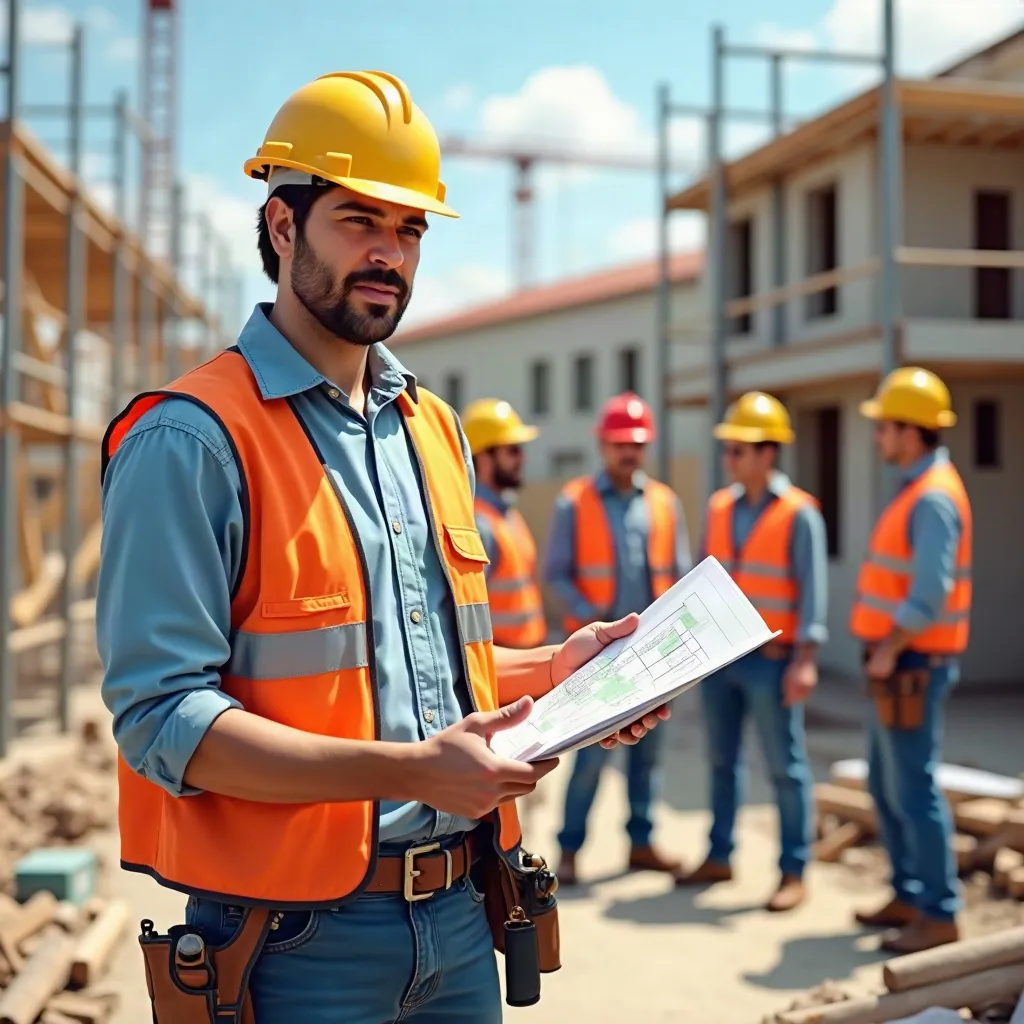
What Does a General Contractor Handle?
A general contractor manages the multiple aspects of a construction project, ensuring that operations proceed without interruption from start to finish. They serve as the primary point of contact, managing dialogue between clients, subcontractors, and material providers. This role involves structuring the work schedule, coordinating crew members, and ensuring conformity with local building codes and regulations.
General contractors are in charge of acquiring required licenses and arranging inspections, which are vital for upholding safety and quality benchmarks. They also manage budget planning, material procurement, and overseeing site operations to mitigate any potential delays or issues. In addition, they supervise subcontractors, making sure that each phase of construction aligns with project specifications and timelines. Overall, a general contractor's expertise and organizational skills are crucial for completing a successful construction project, turning a client's vision into reality while balancing multiple tasks and responsibilities.
Advantages of Choosing a General Contractor for Residential Remodeling
Retaining a a general contractor for residential upgrades delivers countless advantages that can greatly boost the quality and efficiency of the work. General contractors bring expertise in project management, making sure that schedules are kept and funds are distributed effectively. Their established connections with subcontractors can lead to superior pricing and excellent craftsmanship, which finally helps property owners regarding both time and money.
Furthermore, general contractors handle the intricate details of permits and inspections, limiting potential legal issues. They also deliver a one main contact, simplifying communication and coordination among multiple specialists. This streamlining lowers the likelihood of errors and postponements.
In addition, their experience empowers them to recognize potential challenges, facilitating proactive solutions to keep the project on track. By contracting a general contractor, homeowners can focus on their vision while savoring peace of mind, knowing that a professional is directing every aspect of the renovation.
Debunking Myths About General Contractors
Although many homeowners may have misunderstandings about contracting professionals, grasping the realities can lead to more informed decisions. A common myth is that hiring a contractor is not essential for small projects; still, their expertise can ease even minor renovations, ensuring conformance with local codes. Another typical belief is that contractors are just middlemen, but they often have comprehensive knowledge in different fields, allowing them to direct projects smoothly. Moreover, some homeowners assume that working with a contractor will significantly increase costs. In reality, a skilled contractor can often obtain better pricing for materials and labor through established relationships with vendors and subcontractors. Lastly, many think that contractors are inflexible, but reliable contractors focus on client communication and work closely to satisfy specific needs. Clearing up myths can empower clients to harness the true value of contractors when completing positive home projects.
Finding the Perfect General Contractor?
How can homeowners guarantee they choose the ideal general contractor for their projects? The process starts with comprehensive investigation. Property owners should obtain suggestions from friends, family, and online reviews to locate qualified contractors. Once a list is compiled, confirming credentials, such as licensing, bonding, and insurance, is essential to verify legitimacy.
Next, property owners should request and review collections of past projects, concentrating on projects similar in scope. Setting up interviews allows homeowners to gauge compatibility, discussing timelines, budgets, and expectations. It's also recommended to get several estimates for evaluation, providing a better grasp of costs.
Verifying references provides insight into a contractor's competence and integrity. Finally, following your intuition is crucial; an initial meeting can uncover a contractor's way of communicating and methodology. By adhering to these guidelines, homeowners can substantially improve their likelihood of picking a general contractor who suits their objectives and goals.
Effective Communication Approaches With Your General Contractor
Which techniques can homeowners employ to secure proper interaction with their general contractor? Initiating direct engagement from the start is critical. Homeowners should clearly express their requirements, project goals, and financial limits during initial discussions. Frequent communications can be enabled through scheduled meetings, confirming that both parties remain synchronized throughout the project.
Using written documentation, such as email correspondence and project documentation, serves to reinforce spoken commitments and minimizes misunderstandings. Homeowners should also encourage open dialogue by inviting feedback and questions from the contractor, creating a collaborative environment.
Moreover, utilizing digital tools, including project management apps, can streamline communication by providing a unified system for sharing updates, timelines, and changes. Finally, being respectful and approachable can enhance rapport, making it simpler for the contractor to communicate challenges or suggestions successfully. By employing these approaches, homeowners can cultivate a efficient and open partnership with their general contractor.
What You'll Know When Your Initiative Launches?
As the work commences, homeowners can look forward to a rush of action on-site. The general contractor will manage teams of skilled tradespeople, including electricians, plumbers, and carpenters, who will get started their responsibilities following the set schedule. Homeowners may notice equipment and goods being delivered, creating a vibrant feel.
Open communication is vital during this stage. The contractor will inform progress updates and handle any issues that arise. Homeowners should prepare for possible interruptions, such as noise and limited access to certain areas of the home.
Safety measures will be in place to protect both workers and residents, ensuring a secure environment. Additionally, homeowners may be encouraged to preserve flexibility, as unforeseen issues can arise, necessitating adjustments to the original plan. Overall, this initial phase sets the stage for the successful completion of the project, and active participation is essential.
Essential Inquiries for Your Contractor Contract?
Pinpointing the suitable topics to ask when settling a general contractor agreement is imperative for securing a frictionless project. Homeowners should inquire about the contractor's license and coverage to establish their qualifications and protection against accountability. Understanding the project timeline and benchmarks is significant; therefore, asking about estimated completion dates helps establish expectations.
It is also necessary to articulate payment terms, like deposit amounts and payment plans, to forestall misunderstandings. Home purchasers should procure a detailed breakdown of outlays, featuring building materials and skilled work, to assure accountability. Concurrently, deliberating on the system for addressing alterations or unforeseen issues can eliminate disagreements subsequently.
Lastly, property owners must seek information about the qualifications of subcontractors, as well as the communication approach of the contractor throughout the project. By tackling these inquiries, homeowners can foster a productive relationship with their primary contractor, ultimately leading to a successful residential project.
Frequently Posed Questions
In What Fashion Do General Contractors Request Payment for Their Work?
General contractors typically charge via set fees, hourly rates, or a percentage of the total project cost. Their pricing may further encompass supplies needed, labor, and indirect costs, depending on the project's complexity and scope.
Can a General Contractor Offer Support With Authorizations and Inspections?
Yes, a general contractor can aid in securing permits and managing inspections. They typically navigate local regulations and maintain regulatory adherence, streamlining the process for homeowners while providing necessary approvals throughout the building endeavor.
What Skills Should I Find in a General Contractor?
When appointing a general contractor, one should analyze professional attributes such as current licensing, suitable insurance, experience in relevant projects, strong references, and effective communication skills, ensuring they possess the vital expertise to start now manage the project successfully.
What is the Timeline of a Average Home Renovation Undertaking?
A typical home remodeling project can consume anywhere from a few weeks to several months, determined by the range, intricacy, and size of the project, as well as the availability of materials and labor.
What Transpires if My Initiative Overshoots Budget?
Should a project exceed the budget, the contractor typically discusses the causes and alternatives with the homeowner. Modifications may include reducing costs, seeking additional funding, or adjusting the project parameters to conform to financial limits.